Deer Money Card Svg: A Designer's Real-World Embroidery Review
As someone who has spent years reviewing digital assets for the embroidery community, I rarely get excited about a file until I see it in action on actual fabric. The market is flooded with generic cut files and SVGs that look great on a screen but fall apart under a needle. Recently, I evaluated the Deer Money Card Money Card Svg with a specific goal in mind: to determine if this design holds up when transferred from a computer monitor to a real-world handmade product. My verdict? It is a surprisingly versatile asset for crafters and small business owners, provided you understand its limitations.
The First Impression: Mood and Visual Personality
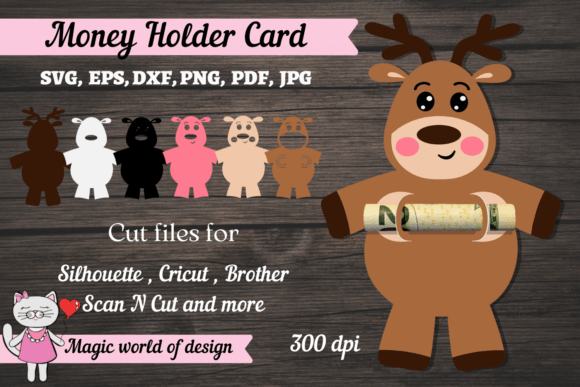
When I first opened the Deer Money Card Money Card Svg, the immediate feeling was one of playful sophistication. Unlike many money-themed designs that rely on heavy dollar signs or chaotic patterns, this piece leans into a softer, more whimsical aesthetic. The deer motif suggests a connection to nature and gentleness, which creates an interesting juxtaposition with the concept of "money." This duality makes it perfect for modern boutique branding or personalized gifts where the giver wants to convey prosperity without being tacky.
The layout feels balanced, likely designed to fit neatly onto standard card formats or smaller garment areas. For a designer, the visual personality is key; it screams "handmade" rather than "mass-produced." It has the kind of charm that works beautifully for holiday gifts, baby showers, or as a subtle accent on a tote bag. However, the success of this embroidery project relies heavily on how well the details translate from vector lines to stitches.
Real-World Application: From Screen to Stitch
I decided to test the Deer Money Card Money Card Svg in a scenario that matters most to Etsy sellers and craft fair vendors: creating a custom embroidered patch for a limited-run collection of aprons. The goal was to attach these patches to high-quality canvas aprons for a local bakery chain. In this context, the design needed to be durable, legible, and visually striking even after months of washing.
Upon stitching, the design performed admirably. The core elements of the deer held their shape well, avoiding the common pitfall of distortion often seen in complex wildlife motifs. When used as a tote bag design or on a sweatshirt embroidery project, the clean lines allowed the thread colors to pop against the fabric texture. I found that using a medium-density fill stitch for the background gave the piece a substantial feel, elevating the perceived value of the finished product. Customers interacting with these items would likely perceive them as premium, handmade goods rather than cheap promotional items.
This file also shines in the realm of personalized gift creation. Imagine stitching this onto a baby blanket or a nursery pillow cover. The gentle theme fits perfectly into a gender-neutral nursery, while the money element adds a fun, future-focused message for parents. As a digital embroidery file, it offers flexibility that allows creators to scale the size appropriately for different products, whether it is a tiny detail on a cap or a larger statement piece on a kitchen towel.
Where to Use (and Where to Proceed with Caution)
While the Deer Money Card Money Card Svg is robust, no single design is a magic bullet for every situation. There are specific constraints where this design might struggle if not handled correctly. For instance, attempting to use this on a very small hoop size, such as those required for a child's onesie or a delicate hat brim, could result in lost detail. If the original file contains intricate linework, shrinking it down too much will cause the stitch density to become too tight, leading to puckering or thread breaks.
Textured fabrics present another challenge. While the design looks good on smooth cotton or linen, applying it to a highly textured bouclé or a rough burlap sack might obscure the finer details of the deer. Similarly, stretchy fabrics like jersey knit require extra care. Without proper stabilizer support, the tension of the satin stitch could distort the fabric, ruining the professional look of the finished product.
Dark fabrics also demand attention. If you choose a dark background without ensuring there is sufficient contrast in your thread colors, the design may disappear. Light-colored threads on dark fabric can sometimes look harsh if the design isn't dense enough to cover the base material completely. I recommend testing the color palette before committing to a full production run. Additionally, avoid using this design on curved surfaces like caps unless you have significant experience with 3D digitizing adjustments, as the flat geometry of the SVG might not follow the curve of the hat naturally.
Impact on Brand and Customer Trust
In the world of craft business and Etsy seller operations, the quality of your design directly impacts customer trust. A sloppy stitch job or a design that looks pixelated or distorted can damage your brand reputation instantly. The Deer Money Card Money Card Svg, when executed properly, signals professionalism. It shows that you care about the details, which encourages repeat purchases and positive reviews.
For commercial embroidery projects, consistency is everything. Using a reliable design like this helps maintain brand identity across multiple products. Whether you are creating a line of holiday embroidery items or seasonal merchandise, having a cohesive visual language is crucial. This design acts as a strong anchor for that identity, offering a unique blend of nature and wealth themes that stands out in a crowded marketplace.
However, remember that the design itself is just a tool. The final outcome depends on your skill as a maker. If you rush the process or ignore the basics of stabilization, even the best machine embroidery design will fail. Always inspect small details and check for loose threads before shipping to a client. The difference between a satisfied customer and a disappointed one often lies in these final quality checks.
Practical Designer Notes for Success
Before you start stitching, there are several critical steps you must take to ensure the Deer Money Card Money Card Svg delivers the results you expect. First, always test the design on scrap fabric that matches the weight and type of your final project. This simple step saves time and prevents costly mistakes. Check the hoop size compatibility to ensure the design fits within your machine's capabilities without requiring awkward repositioning.
Review the stitch density carefully. If the file is too dense, it will create a stiff, board-like texture that is uncomfortable to wear. If it is too sparse, it may lack coverage. You may need to adjust the settings in your embroidery software to optimize the balance between fill stitch and running stitch. Also, confirm the licensing terms before selling finished items or digital products. Some files are for personal use only, while others allow commercial distribution. Verify these terms to avoid legal issues later.
Finally, don't forget to test the design in black and white mockups. This helps you visualize how the contrast will work regardless of the color scheme you eventually choose. By following these practical guidelines, you can transform the Deer Money Card Money Card Svg from a simple digital file into a stunning centerpiece for your next handmade product or small shop product line. With the right approach, this design has the potential to become a staple in your creative arsenal.