RN Nurse Western Sublimation: A Designer's Real-World Review
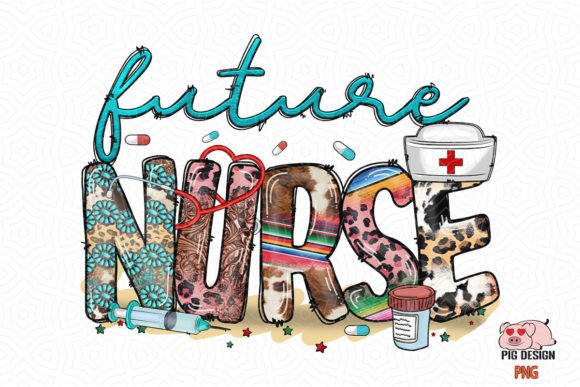
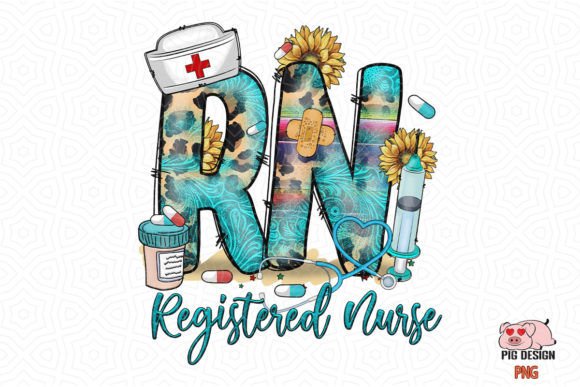
When I first opened the file for RN Nurse Western Sublimation, my immediate reaction wasn't about the stitch count or the file format. It was about the mood. There is a distinct, rugged warmth to this design that feels completely at odds with the sterile, clinical environments we usually associate with nursing. As an experienced designer who has reviewed thousands of digital assets for my own craft business and client projects, I look for designs that tell a story before they are even stitched. This piece immediately suggested a narrative of strength, resilience, and a touch of frontier spirit.
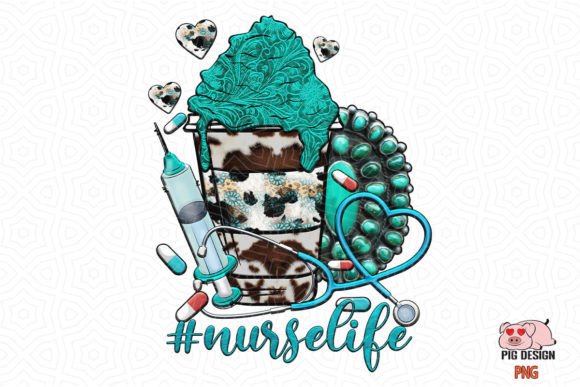
The concept of blending professional identity with western aesthetics is not new, but executing it well in embroidery requires careful consideration. Most "western" designs can feel cliché if they rely too heavily on generic cactus or horseshoe motifs without substance. However, RN Nurse Western Sublimation manages to balance these elements in a way that feels authentic rather than forced. It creates a visual personality that is both approachable and professional, making it an excellent candidate for custom apparel, boutique branding, or personalized gifts.
Visualizing the Stitch: From Screen to Fabric
Before I even loaded the design into my machine, I spent time analyzing the layout. The composition suggests a design that works best when given some breathing room. In a real-world scenario, imagine placing this on a heavy-duty canvas tote bag for a nurse's break room or perhaps a soft fleece sweatshirt for a team gathering. The western theme adds a layer of character that elevates the product from a standard uniform accessory to a statement piece.
The design likely utilizes a mix of satin stitches for outlining and fill stitches for the main body text or graphics. For a small business owner looking to create high-margin items, the clarity of the lettering is crucial. If the design features fine details, such as small stars or intricate script, those areas will determine whether the final product looks polished or muddy. When reviewing RN Nurse Western Sublimation, I am always asking: will this hold up after twenty washes? Will the threads fray at the edges?
For a handmade product like an embroidered patch or a kitchen towel, the density of the stitches matters immensely. A design that is too dense on a thin fabric can cause puckering, ruining the drape of the item. Conversely, a design that is too sparse might look unfinished on a dark background. The western aesthetic often calls for bold lines, which generally translates well to embroidery, provided the thread colors offer sufficient contrast against the fabric texture.
Real-Life Application: The Custom Tote Bag Project
To truly understand the potential of this design, let's walk through a practical scenario. Imagine you are an Etsy seller preparing inventory for a holiday gift season. You want to create a unique line of merchandise specifically for healthcare workers who have a love for country music or rural living. You decide to use RN Nurse Western Sublimation on a set of durable canvas tote bags.
Here is where the practical judgment comes in. A tote bag is a functional item that sees a lot of wear and tear. If you place this design too close to the seams or on a stretchy part of the bag, the tension could distort the western motifs. I would recommend using a cut-away stabilizer to ensure the design remains crisp and does not sag over time. The goal is to create a finished product that customers trust enough to carry their daily essentials.
Furthermore, consider the color palette. Nursing scrubs come in a variety of colors, but for a western theme, earth tones like olive green, rust orange, or denim blue work exceptionally well. If you are stitching this onto a black hoodie, you need to ensure the thread colors pop. A design that looks great in a digital mockup might lose its impact if the thread sheen clashes with the fabric weave. Testing the design on scrap fabric first is non-negotiable. It allows you to adjust the tension and see exactly how the machine embroidery design interacts with your specific materials.
Navigating Limitations and Fabric Choices
No design is perfect for every situation, and being honest about limitations is key to maintaining a reputation for quality. While RN Nurse Western Sublimation is versatile, there are specific scenarios where caution is required. Small hoop sizes present a significant challenge for any detailed design. If you attempt to stitch this on a cap or a baby onesie, the intricate western elements might get lost or become difficult to execute cleanly.
Textured fabrics, such as heavy waffle knits or loose-weave linens, can also pose problems. The needle penetration might struggle to maintain consistent stitch definition, leading to a messy appearance. Similarly, stretchy fabrics require extra attention. Without proper hooping techniques and adequate stabilizer support, the design could pucker, distorting the letters and breaking the visual flow of the artwork.
Dense stitch areas are another point of concern. If the design includes large blocks of fill stitch, it may create a stiff spot on the garment that feels uncomfortable against the skin. For products like aprons or pillow covers, this stiffness might be acceptable, but for custom apparel meant for all-day wear, it could be a dealbreaker. Additionally, tiny lettering or decorative accents within the design should be scrutinized. On a commercial level, blurry text can undermine customer trust and make a handmade product look amateurish.
Strategic Placement for Maximum Impact
To maximize the visual appeal and product value, strategic placement is essential. For a sweatshirt embroidery project, a left-chest placement often feels more professional than a full-back design, especially for smaller shops with limited branding space. However, if you are creating a bold statement piece, a back-of-the-neck or full-back application can showcase the western theme beautifully.
When considering digital product sellers or those creating printable mockups, remember that the image needs to convey the texture of the embroidery. A flat image of RN Nurse Western Sublimation might not sell as well as one that shows the depth of the stitches. Highlighting the thread colors and the slight raised effect of the satin stitch can help buyers visualize the quality of the finished item.
Professional Notes for the Creative Entrepreneur
As you move forward with RN Nurse Western Sublimation, keep these practical tips in mind to ensure success. First, always confirm the licensing terms. Whether you are producing items for your own shop or fulfilling orders for clients, understanding the rights to use the design commercially is vital. Do not assume that a purchase grants unlimited rights; verify the specific allowances for digital embroidery files.
Secondly, test the design in black and white mockups. Sometimes, color distractions hide structural issues in the layout. By removing color, you can better assess the balance of negative space and the weight of the design elements. This step helps in confirming whether the design works for both personal and commercial projects without needing extensive adjustments.
Finally, inspect the small details closely. Run a finger over the digital preview to identify any areas that might be prone to thread breaks or misalignment. If the design includes applique elements, ensure you have the necessary skills and materials to execute them properly. An applique design adds dimension but requires precise cutting and positioning.
In conclusion, RN Nurse Western Sublimation offers a compelling blend of professional pride and rustic charm. It is a design asset that, when handled with care and technical precision, can elevate a simple craft business item into a cherished keepsake. Whether you are decorating a holiday gift, creating boutique branding, or designing a new line of custom apparel, this piece has the potential to resonate deeply with your audience. Just remember: the difference between a good embroidery project and a great one lies in the preparation, the testing, and the respect for the medium.